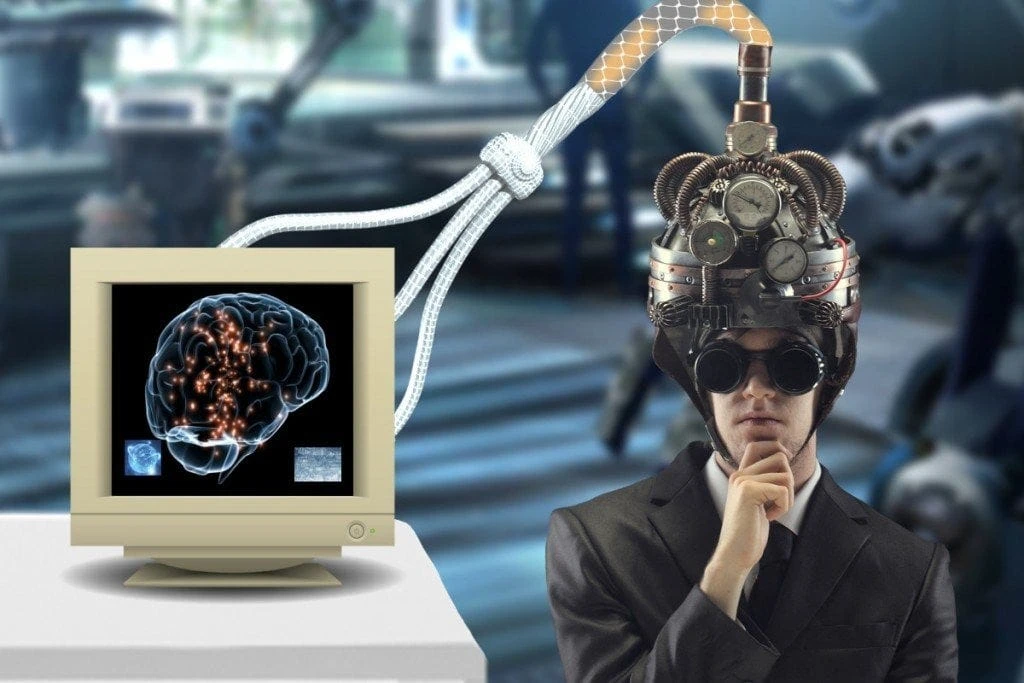
Spaietacle: The Future of Immersive Space Based Experiences in Digital Culture
In today’s digital environment, audiences are surrounded by endless streams of content—short videos, advertisements, social media posts, and interactive media competing for attention every second. In this attention-heavy world, traditional forms of entertainment are no longer enough to fully engage modern users. People are not just looking for something to watch; they are looking for something to experience.
Spaietacle represents a modern shift in how experiences are designed and consumed. It combines space and spectacle to create immersive environments where users do not remain passive observers but become active participants inside a living, responsive experience. Instead of watching content on a screen, individuals enter a designed world that reacts, evolves, and emotionally engages them.
What Is Spaietacle?
Spaietacle is an emerging concept in immersive experience design where physical or digital space becomes an essential part of storytelling and interaction. It is formed from two ideas:
- Space: The environment where the experience happens
- Spectacle: The visual, sensory, and emotional impact of the experience
Together, Spaietacle refers to an environment designed to fully immerse individuals in a multi-sensory experience where lighting, sound, visuals, interaction, and emotion work together seamlessly.
Unlike traditional entertainment formats, where audiences observe from a distance, Spaietacle eliminates the boundary between viewer and performance. The environment itself becomes the story, and the participant becomes part of that story.
In simple terms, Spaietacle is:
A fully immersive experience where space, technology, and storytelling combine to create emotional and interactive engagement.
Origin and Evolution of Spaietacle
The idea of Spaietacle did not emerge from a single creator or industry. Instead, it evolved from multiple trends in digital culture, immersive design, and interactive entertainment.
As technology advanced, traditional media formats began shifting toward more engaging experiences. Projection mapping, virtual reality, augmented reality, and interactive installations all contributed to this evolution. Over time, designers and digital creators began blending these technologies into environments that feel alive.
Spaietacle represents the natural outcome of this evolution. It reflects how modern audiences interact with content—no longer as passive viewers but as participants inside dynamic environments.
It also reflects internet culture, where new expressions emerge to describe experiences that traditional language cannot fully define.
Why Spaietacle Matters in Today’s Digital World
Modern digital culture is shaped by one powerful force: attention.
People are constantly exposed to content, which has made attention more valuable than ever. In this environment, simply showing something is not enough. Experiences must be meaningful, emotional, and memorable.
This transformation is important for several reasons:
- It increases emotional engagement
- It improves memory retention
- It enhances storytelling impact
- It strengthens brand and audience connection
In essence, Spaietacle represents the move from content consumption to experience immersion.
Core Elements of a Spaietacle Experience
A true Spaietacle is not defined by a single feature. It is a combination of multiple design elements working together.
Space as the Foundation
Space is the core structure of Spaietacle. It can be physical, digital, or hybrid. In physical environments, it includes architecture, lighting design, materials, and spatial layout. In digital environments, it includes virtual worlds, 3D environments, and interactive interfaces.
The space is not just a background—it is an active part of the experience.
Spectacle as Visual Impact
Spectacle provides the emotional and visual intensity of the experience. This includes lighting effects, projection mapping, motion visuals, digital art, and environmental transformation.
However, spectacle alone is not enough. It must support meaning and purpose. Otherwise, it becomes empty visual stimulation.
Story as Emotional Structure
Every Spaietacle experience benefits from storytelling. This does not always mean a traditional narrative. Instead, it can be an emotional journey, a thematic progression, or a guided experience.
The story gives direction and meaning to the environment.
Interaction as Engagement Layer
Interaction is what transforms observers into participants. This can include physical movement, touch, voice response, digital input, or environmental changes triggered by presence.
Interaction makes the experience alive and responsive.
Emotion as Memory Trigger
Emotion is the most powerful element of Spaietacle. While visuals may fade, emotional experiences remain in memory.
A successful Spaietacle is remembered not for what it looked like, but for how it made people feel.
Technology Behind Spaietacle
Spaietacle experiences rely heavily on advanced technologies that combine creativity with computation.
Projection Mapping
Transforms surfaces like walls and ceilings into dynamic visual displays.
Motion Sensors and Tracking
Allow environments to respond to user movement and interaction.
Augmented Reality (AR)
Overlays digital elements onto real-world environments.
Virtual Reality (VR)
Creates fully immersive digital environments.
Spatial Audio Systems
Delivers sound that changes based on position and movement.
Artificial Intelligence (Future Role)
AI is expected to personalize experiences based on user behavior and emotional response.
These technologies work together to create environments that feel responsive and alive.
Applications of Spaietacle Across Industries
Spaietacle is not limited to entertainment. It is expanding across multiple industries.
Entertainment and Live Events
Concerts, festivals, and performances now use immersive environments where lighting, visuals, and audience movement interact in real time.
Museums and Art Installations
Static exhibits are evolving into interactive experiences where visitors can walk through digital recreations and immersive storytelling environments.
Retail and Branding
Brands are creating experiential spaces where customers engage with products in immersive environments rather than traditional displays.
Gaming and Virtual Worlds
Gaming environments naturally align with Spaietacle principles, offering interactive, immersive digital spaces.
Digital Platforms
Websites and apps are evolving into interactive environments that guide users through immersive experiences rather than simple pages.
Spaietacle vs Traditional Experiences
Traditional experiences are mostly passive. Audiences watch, listen, or observe from a distance.
Spaietacle transforms this model completely:
- Traditional: Passive viewing
- Spaietacle: Active participation
- Traditional: Fixed environment
- Spaietacle: Responsive environment
- Traditional: One-way communication
- Spaietacle: Interactive engagement
This shift represents one of the most significant changes in modern experience design.
Benefits of Spaietacle
Spaietacle offers several advantages:
- Higher emotional engagement
- Stronger memory retention
- Increased audience interaction
- Enhanced storytelling impact
- Improved brand recognition
- Greater shareability on digital platforms
For businesses and creators, it provides a powerful way to stand out in a crowded digital world.
Challenges in Creating Spaietacle
Despite its advantages, Spaietacle also presents challenges:
High Cost and Complexity
Advanced technology and design require significant investment.
Risk of Overstimulation
Too many effects can overwhelm users instead of engaging them.
Balance Between Story and Technology
Technology should support storytelling, not replace it.
Authenticity Concerns
Experiences must feel meaningful, not artificially designed for attention alone.
Future of Spaietacle
The future of Spaietacle is closely tied to advancements in technology and changing audience expectations.
We are likely to see:
- AI-powered adaptive environments
- Fully interactive immersive theaters
- Hybrid physical-digital worlds
- Personalized storytelling experiences
- Expansion into everyday digital platforms
However, even as technology evolves, one principle will remain constant:
Emotion is more important than technology.
The most successful Spaietacle experiences will be those that combine innovation with human feeling.
Why Spaietacle Will Shape the Next Generation of Digital Experiences
Spaietacle represents a major shift in how humans interact with media and environments. It reflects a future where:
- Spaces communicate with people
- Stories are experienced, not watched
- Technology enhances emotion instead of replacing it
- Audiences become participants in creation
This evolution aligns with the growing demand for deeper, more meaningful digital experiences.
Frequently Asked Questions (FAQs)
Is Spaietacle related to immersive design?
Yes. Spaietacle is closely connected to immersive and experiential design principles.
Where can Spaietacle be used?
It can be used in events, museums, branding, retail, gaming, architecture, and digital platforms.
Why is Spaietacle important?
It enhances engagement, emotional impact, and memory retention in modern experiences.
What makes a good Spaietacle experience?
A strong Spaietacle includes immersive space, emotional storytelling, meaningful interaction, and purposeful design.
Conclusion
Spaietacle is more than just a concept—it represents a transformation in how humans experience digital and physical environments. It bridges the gap between technology and emotion, turning ordinary spaces into meaningful, interactive worlds.
As digital culture continues to evolve, Spaietacle stands at the center of a new experience economy where attention is not just captured—but deeply felt, lived, and remembered.
The future of experiences is not about watching.
It is about entering, interacting, and becoming part of the story.